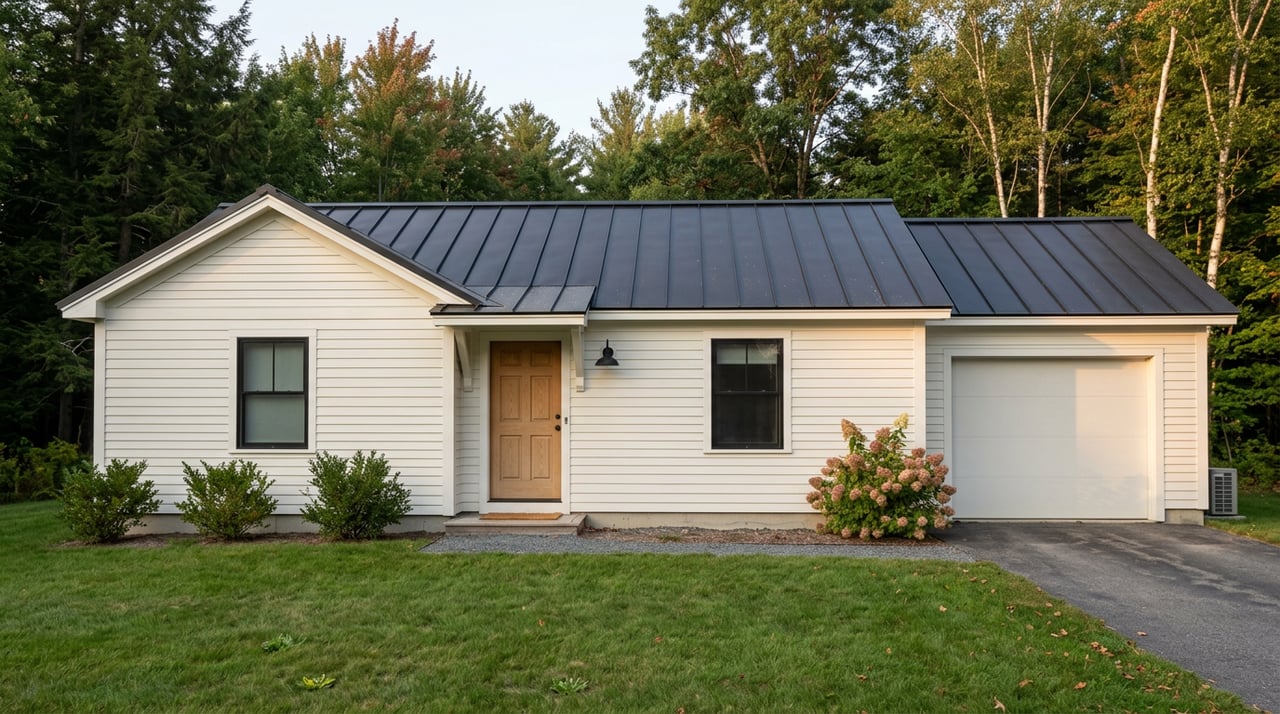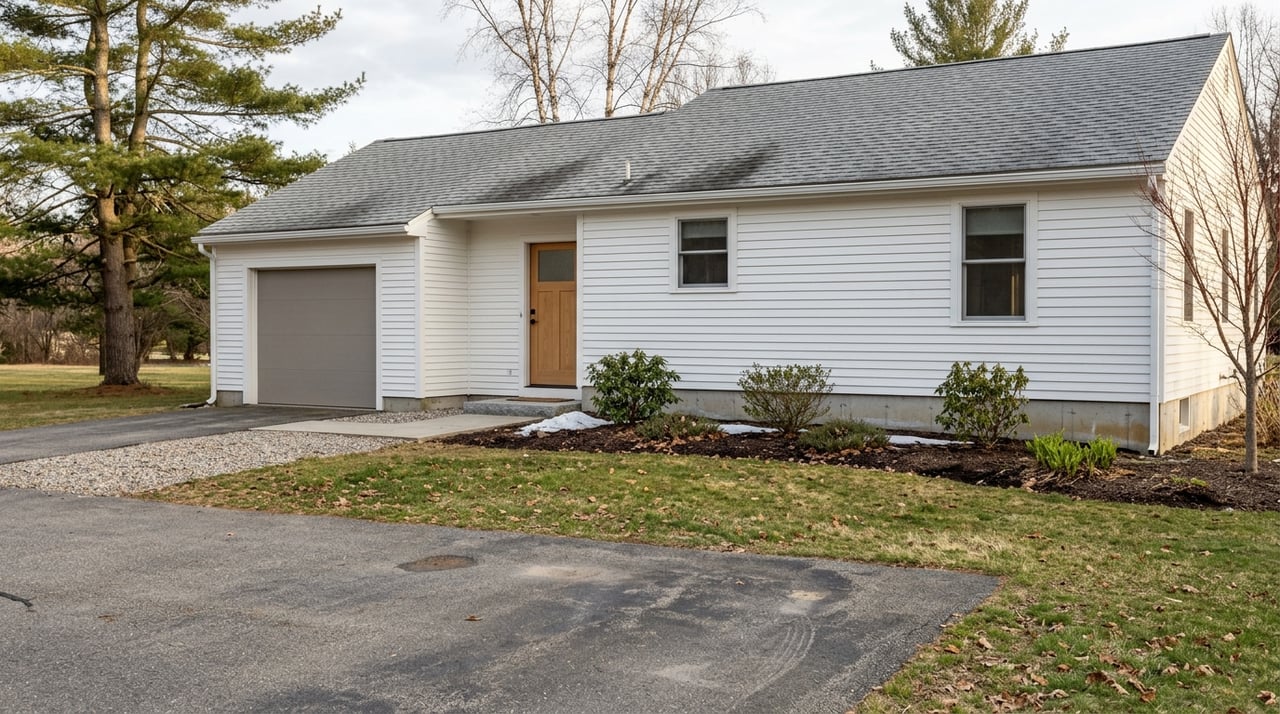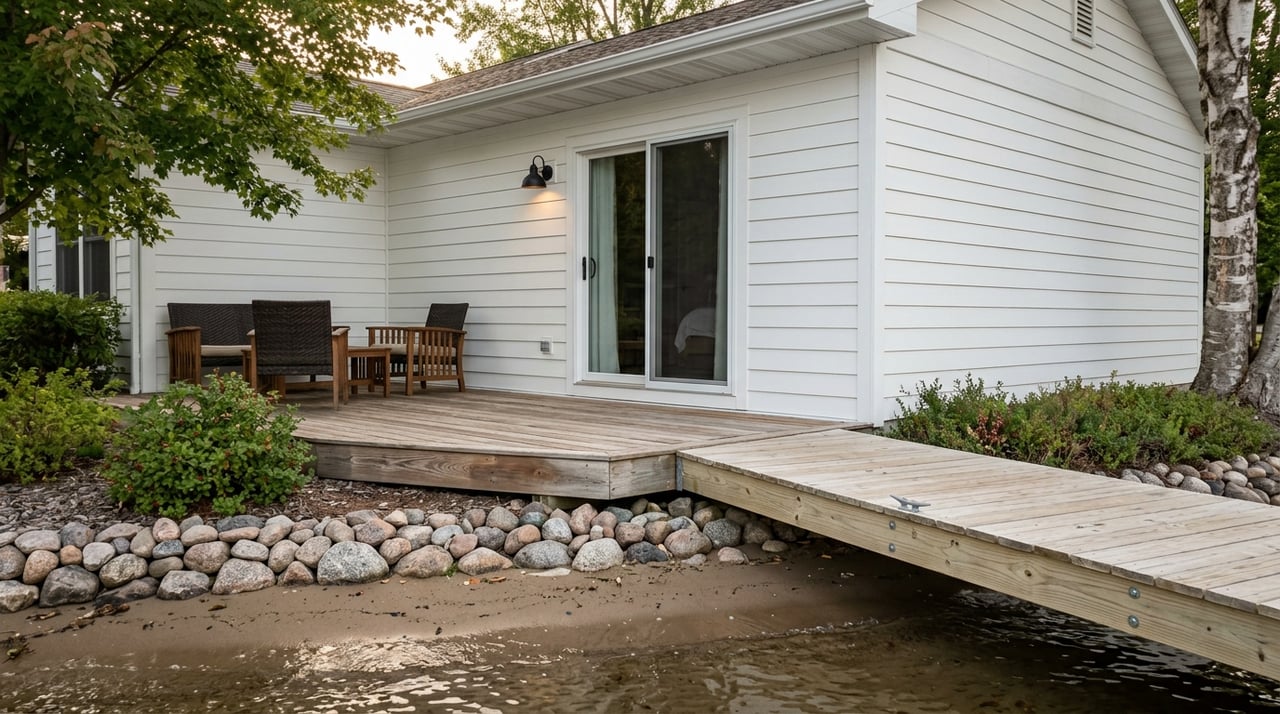
If you are getting ready to sell a Lake Auburn waterfront home, it helps to know that a normal pre-listing checklist is not enough. Lake Auburn is a drinking-water source for the Auburn-Lewiston area, so shoreline work, septic paperwork, and even simple cleanup choices can carry extra rules. When you understand those rules early, you can avoid delays, protect the property’s value, and present your home in a way that feels both polished and compliant. Let’s dive in.
Why Lake Auburn prep is different
Lake Auburn is not just a scenic waterfront setting. The lake is part of a protected watershed, and Auburn’s Lake Auburn Watershed Overlay District applies to land whose surface and subsurface waters drain to the lake.
That means your home may be subject to watershed-related requirements in addition to standard residential selling prep. For sellers, the big takeaway is simple: the goal is not to do the most shoreline work possible. The goal is to do the right work, in the right order.
Maine DEP notes that runoff can carry soil, fertilizer, pesticides, petroleum products, and animal waste into water bodies. Because of that, a smart listing plan focuses on erosion control, tidy drainage, and a clean shoreline rather than aggressive clearing or cosmetic projects that disturb soil.
Start with rules and paperwork
Before you schedule landscapers or photographers, confirm whether your property falls within the watershed area and whether any required septic documentation applies. This step can save you from scrambling later when buyers start asking questions.
If your home is not served by public sewer, Auburn’s current Lake Auburn watershed septic rules require a private subsurface wastewater inspection. The city says the inspection report must be provided when the property is sold, and properties in the Year 1 map area must submit the report by July 1, 2026.
Auburn also states that the inspection must be completed by a certified subsurface wastewater disposal system inspector using the state reporting form. If your system has not been reviewed yet, this is one of the first items to line up before listing.
Septic steps to handle early
- Confirm whether the home is on public sewer or private subsurface wastewater service
- Check whether the property is in the watershed area and whether the Year 1 map deadline applies
- Schedule the inspection with a certified subsurface wastewater disposal system inspector
- Keep the completed report ready to share during the sale process
Be careful with shoreline cleanup
One of the most common seller mistakes with waterfront property is over-improving the shoreline. On Lake Auburn, that can create problems because the code limits how much vegetation can be removed near the water.
Auburn’s current code says there should be no cutting of vegetation within 75 feet of the normal high-water line except to remove safety hazards. It also says there can be no cleared opening larger than 250 square feet within the 100-foot buffer and no soil disturbance that increases sedimentation.
For you as a seller, that means “clean and tidy” is usually a better strategy than “open it all up.” You want buyers to see a well-kept property, but you also want to preserve the shoreline buffer that helps protect the lake and keeps your prep aligned with local rules.
What to do instead of major clearing
- Remove visible trash or debris along the shoreline
- Tidy outdoor seating and gathering areas buyers will actually use
- Address drainage or erosion issues without creating new soil disturbance
- Remove only true safety hazards where allowed
- Skip major cutting or clearing unless you have confirmed it is permitted
Review docks, floats, and waterfront features
Your dock or float can be a strong selling feature, but it is worth checking condition and rules before you make changes. Buyers notice waterfront access quickly, and an aging structure can raise concerns during showings.
Maine law explicitly exempts replacement of a floating dock with another floating dock when the dimensions and configuration do not change. That makes a same-size, same-configuration replacement the clearest low-friction option if your current floating dock needs attention.
If you are thinking about something larger, a different layout, or more substantial reconstruction, it is smart to check local and state requirements first. Maine’s Bureau of Parks and Lands also notes that structures on public submerged lands may need a lease or easement depending on permanence and size.
Dock questions to answer before listing
- Is the current dock or float safe and functional?
- Would a same-size floating dock replacement solve the issue?
- Are you considering changes to dimensions or configuration?
- Does any planned work need additional review before it begins?
Use the right contractors for shoreline work
If you plan to complete regulated shoreline work, contractor selection matters. This is not the place to hire quickly and hope for the best.
Maine DEP says a contractor must be certified to perform work in the shoreland zone. If repairs or shoreline improvements are part of your prep plan, choose contractors early so you have time to review what is allowed and finish the work before listing season picks up.
This step can also help you avoid rushed decisions. A documented, careful approach tends to create fewer surprises once your home is on the market.
Watch for invasive aquatic species
Another prep item many sellers overlook is the condition of the dock area, shoreline, boats, and gear. Maine DEP says invasive aquatic species can permanently alter lake use and reduce property values.
A practical step is to clean the shoreline area and check water-related equipment carefully. If you notice suspicious aquatic plants, report them rather than trying to treat the issue informally.
Stage for the water view
Once compliance and repairs are under control, you can turn to presentation. For a Lake Auburn property, buyers are often drawn first to the water-facing rooms and outdoor spaces, so your staging plan should support that experience.
NAR’s 2025 staging report found that buyers’ agents viewed photos, physical staging, videos, and virtual tours as highly important. Sellers’ agents most often recommended decluttering, whole-home cleaning, curb appeal, minor repairs, and professional photos.
That guidance fits waterfront homes especially well. The camera tends to magnify clutter, crowded furniture, and everyday mess, which can distract from one of your home’s biggest advantages: the setting.
Best staging priorities for a Lake Auburn sale
- Declutter surfaces and remove excess furniture
- Open blinds and window coverings to highlight natural light and water views
- Deep clean the home and outdoor entertaining areas
- Remove magnets, personal clutter, and visual distractions
- Freshen up minor cosmetic issues before photography
- Keep decks, patios, and shoreline sitting areas simple and inviting
Plan the photo sequence carefully
Online presentation is often where buyers first fall in love with a home. That is why the order of your prep matters.
A smart sequence is to finish allowed repairs and cleanup first, then stage lightly, then schedule photos, video, and virtual tours only after the home looks the way it will show in person. For a Lake Auburn property, the strongest visual story often starts with the water-facing interior, then the main living spaces, then the outdoor areas buyers will use most.
Accuracy matters too. NAR warns that misleading photos or heavy image manipulation can create disappointment later, so your marketing should reflect the home honestly.
A practical pre-listing timeline
If you are wondering where to begin, this order usually makes the process easier and safer.
| Step | What to Do |
|---|---|
| 1 | Confirm whether the property is in the Lake Auburn watershed area |
| 2 | Verify whether septic inspection paperwork is required |
| 3 | Review dock, float, drainage, and shoreline conditions |
| 4 | Complete allowed repairs with the proper contractor if needed |
| 5 | Clean up the shoreline and outdoor living areas without overclearing |
| 6 | Declutter, clean, and stage the interior for photos |
| 7 | Schedule professional photography, video, and virtual tours |
| 8 | Launch the listing once the home is fully show-ready |
Mistakes to avoid before you sell
The biggest avoidable mistakes are usually not dramatic. They are small timing and judgment issues that can create stress later.
One common mistake is overclearing the shoreline to improve the view. Another is waiting too long to handle septic documents. A third is treating photography like the last item on the list instead of part of the selling strategy.
The better approach is modest, documented, and lake-protective. Keep the buffer intact, make the shoreline neat, finish the right repairs, and list only when the property is truly ready to be photographed and shown.
Selling a waterfront home on Lake Auburn takes more than standard curb appeal advice. You need a plan that respects the lake, follows Auburn’s watershed rules, and still helps buyers see the lifestyle your property offers. When you prepare in the right order, you can protect your timeline and present your home with confidence.
If you want local guidance on selling your waterfront property with a clear, practical plan, connect with Integrity Homes Real Estate Group.
FAQs
Do Lake Auburn waterfront sellers need septic paperwork when selling?
- Yes. If the property is not served by public sewer, Auburn says a private subsurface wastewater inspection report must be provided when the property is sold.
Can Lake Auburn homeowners trim trees to improve the water view?
- Auburn’s current watershed code sharply limits vegetation cutting near the lake. Within 75 feet of the normal high-water line, vegetation should not be cut except to remove safety hazards.
Can you replace a dock at a Lake Auburn home before listing?
- In Maine, replacing a floating dock with another floating dock is explicitly exempt when the dimensions and configuration do not change. Larger or different changes should be checked first.
What is the safest way to improve a Lake Auburn shoreline before selling?
- Focus on cleanup, erosion awareness, tidy outdoor spaces, and drainage concerns rather than aggressive clearing or soil disturbance.
When should Lake Auburn sellers schedule listing photos?
- Schedule photography, video, and virtual tours after permitted repairs, cleanup, and staging are complete so the home matches what buyers will see in person.