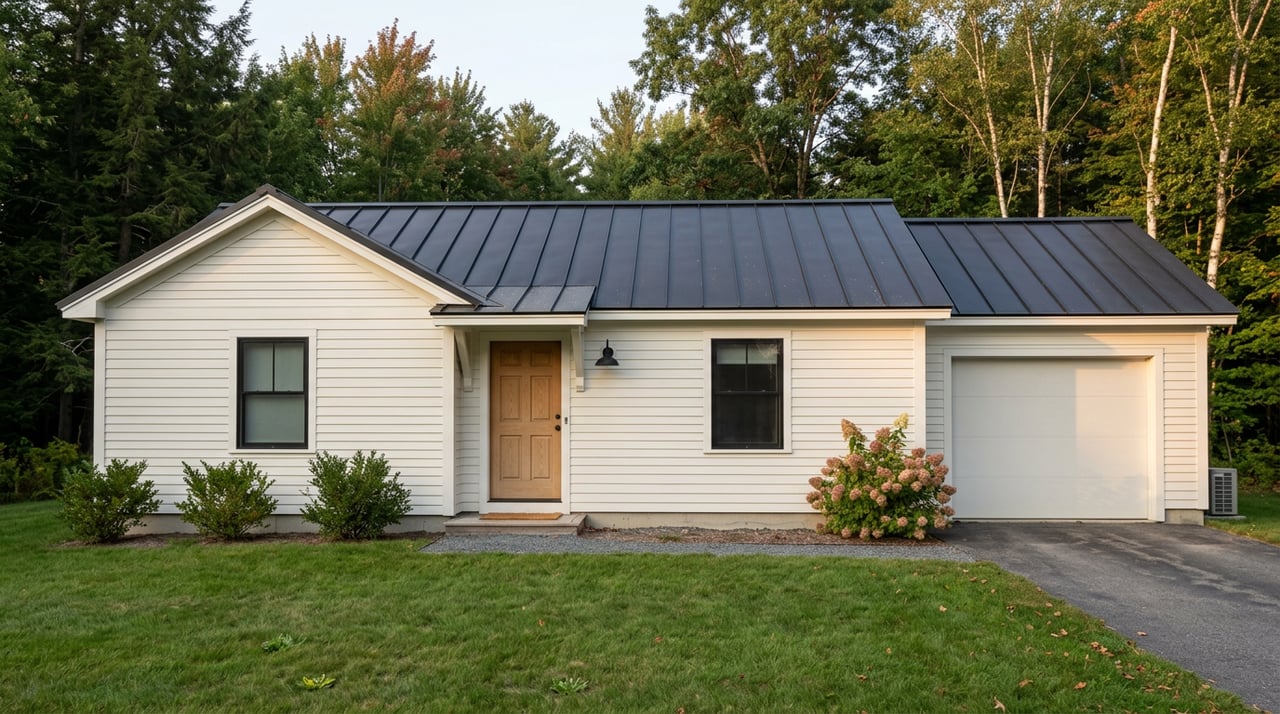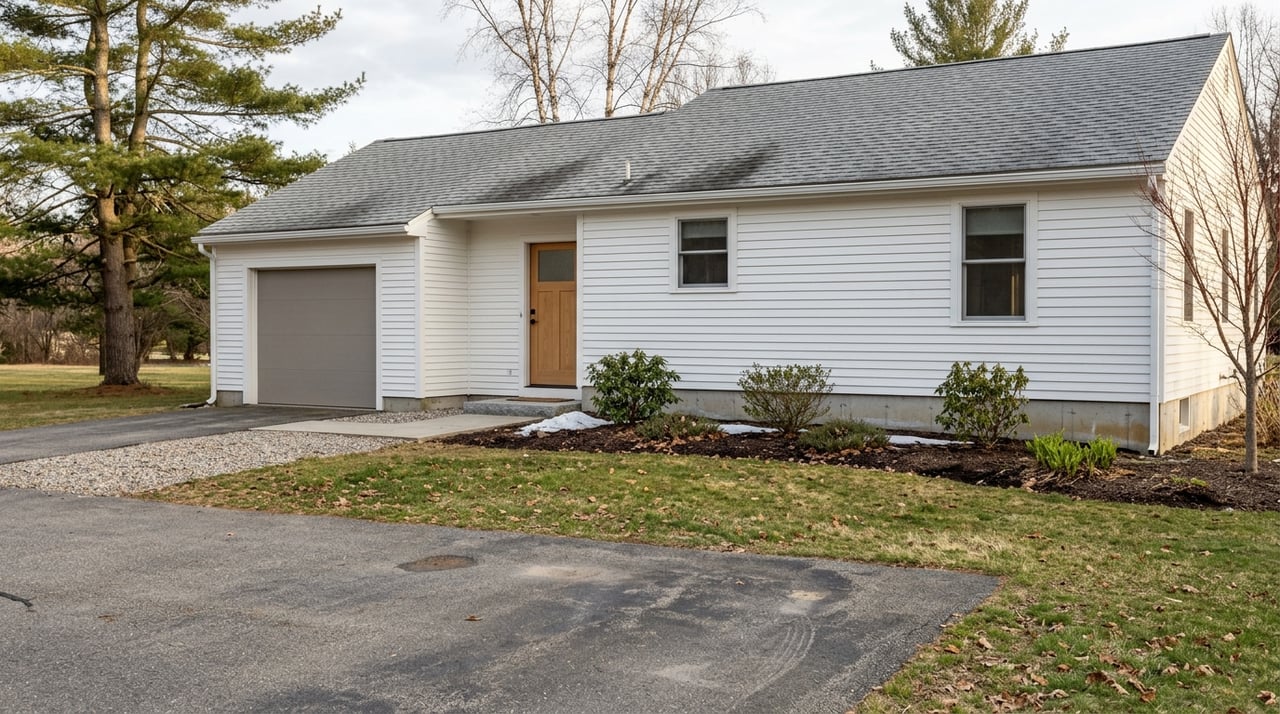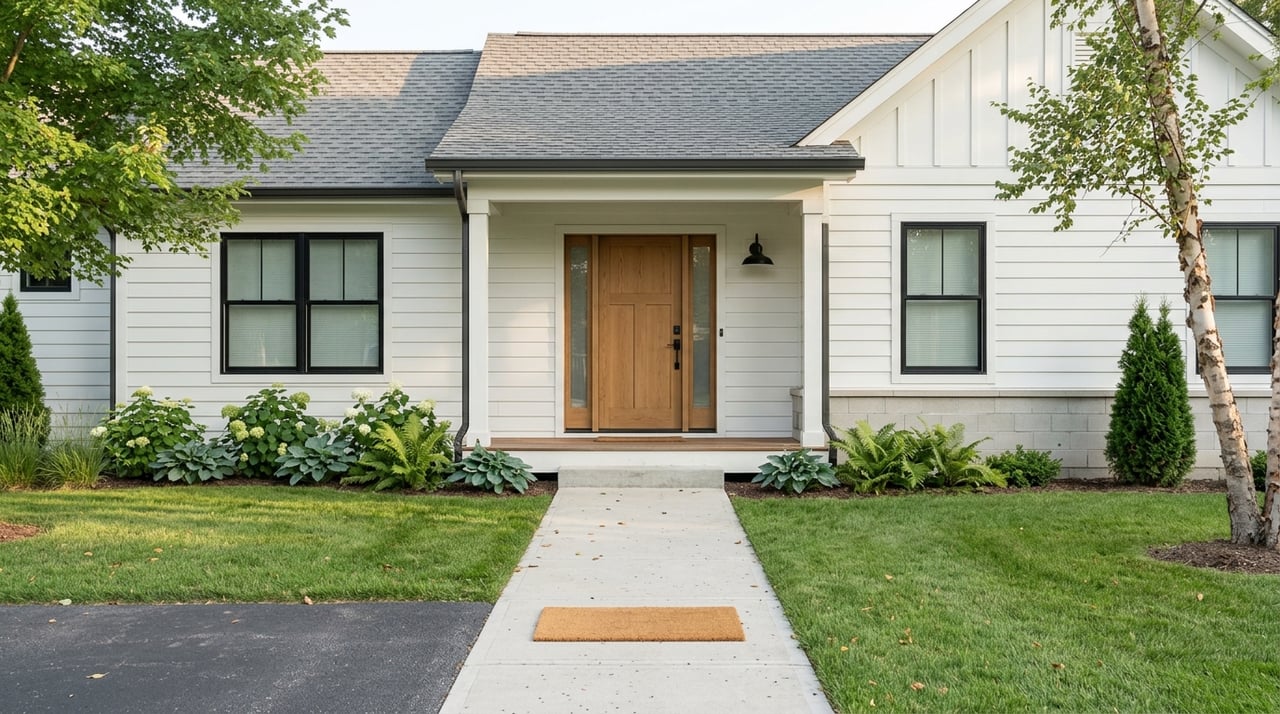
Dreaming about a Maine camp that helps cover its own costs? On the Narrows in Winthrop, that idea can work, but the best rental-friendly properties are usually the ones that fit the pond, respect the shoreline, and stay simple to manage. If you are thinking about buying a camp on Upper or Lower Narrows Pond with short-term rental potential, you need a clear picture of seasonality, shoreland rules, setup costs, and neighbor expectations before you make an offer. Let’s dive in.
Understand the Narrows setting
In Winthrop, the shoreline is typically described as Upper Narrows Pond and Lower Narrows Pond, not one single “Long Narrows Pond.” Upper Narrows is 279 acres and Lower Narrows is 255 acres, and both support a mix of residential and recreational use. That matters because you are not buying into an isolated vacation strip.
Upper Narrows, in particular, includes a mix of seasonal camps and year-round homes. A Maine DEP report noted 74 shoreline structures, with about 36 percent seasonal camps and 64 percent year-round dwellings. For you as a buyer, that means guest behavior, parking, noise, and trash handling are not small details. They are part of owning responsibly on this shoreline.
Why rental-friendly looks modest here
A rental-friendly camp on the Narrows usually works best when it is practical rather than oversized. This is a pond setting known for residential and recreational use, including low-intensity boating, fishing, and swimming, with small-boat and canoe access off Narrows Pond Road on Upper Narrows. That points to a property that supports simple lake days, not large-event hosting.
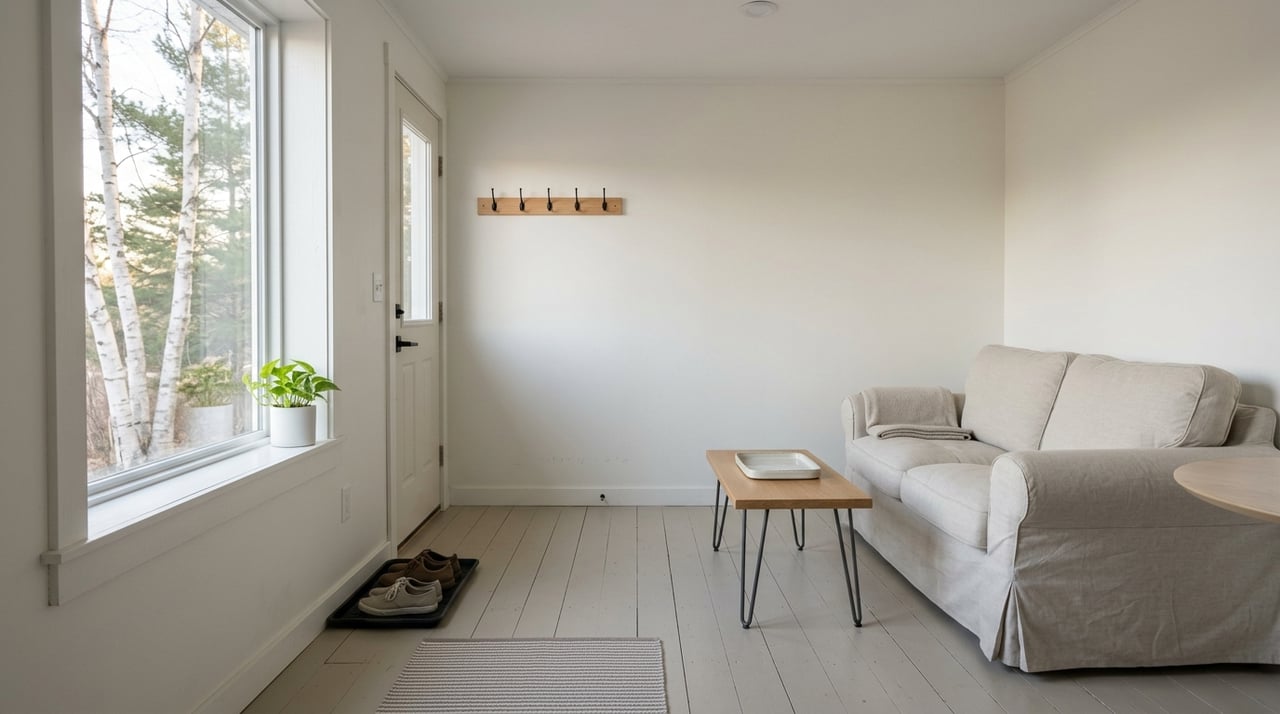
In many cases, the most useful features are not flashy ones. You may get better results from a camp with a mudroom, durable flooring, easy bathroom access, simple sleeping arrangements, and a layout that is quick to clean between stays. If you want rental income, easy turnover often matters more than extra square footage.
Features worth prioritizing
When you tour properties, look for details that support real-world use:
- An entry area for wet shoes, towels, and lake gear
- Durable finishes that handle sand, rain, and heavy summer traffic
- A realistic sleeping setup that matches parking and septic limits
- Clear indoor-outdoor flow without encouraging oversized gatherings
- Storage for cleaning supplies, linens, and owner items
- Systems that are easy to shut down, winterize, and reopen
Check town and shoreland rules early
Before you fall in love with a property, confirm how the camp can be used and what can be changed. In the Winthrop zoning text reviewed in the research, the phrase “short-term rental” does not appear, and the definition of commercial use explicitly excludes rental of residential buildings and dwelling units. Even so, that does not mean every property change is automatic or simple.
Winthrop’s Planning Board says conditional use approval is required for commercial uses and activities in shore land areas. If you are considering additions, site work, shoreline changes, or a meaningful change in use, you should check with the town early in the process. On pond property, assumptions can get expensive.
Shoreland restrictions matter
Because these are great ponds, shoreland rules carry real weight. Maine DEP says the shoreland zone generally extends 250 feet from great ponds, and Winthrop’s ordinance sets the normal high-water elevation for Upper and Lower Narrows Ponds at 172.0 feet. Rules near the water can affect clearing, tilling, runoff control, and the type of dock structure allowed.
The local ordinance also indicates that new permanent piers or docks generally need DEP review, with temporary structures preferred unless a permanent one is clearly justified. If your rental plan depends on major shoreline upgrades, you will want answers before closing, not after.
Think about neighbor fit
A successful rental-friendly camp is not just about the building. It is also about how the property fits the surrounding shoreline. Since Upper Narrows has a strong year-round residential presence, your future guests may be staying beside full-time neighbors who notice weekend turnover and care about how the property is used.
Town discussions from Winthrop’s comprehensive-plan committee in 2023 also recorded resident concern about having too many short-term rental properties. That does not block ownership or rental use by itself, but it is a useful signal. If you buy here, a good rental strategy should include clear house rules, realistic occupancy, controlled parking, and prompt local response if problems come up.
Good rental systems build trust
Maine short-term rental guidance highlights practical items that renters should have:
- Occupancy rules
- Parking instructions
- Safety feature information
- Septic system instructions
- A property contact number
- Emergency contact information
- The E911 address
- Special driving instructions if access is confusing
These steps do more than protect guests. They also reduce friction with neighbors and help your camp operate smoothly.
Plan for seasonality from day one
One of the biggest mistakes buyers make is treating a pond camp like a year-round, always-on asset when the setting is clearly seasonal. Maine’s 2026 ice-out tracker recorded Lower Narrows Pond on April 8, 2026. That is a reminder that even if some homes are occupied year-round, the water setting follows a real seasonal cycle.
Regional climate data also reinforces that point. NOAA normals for nearby Augusta State Airport show a mean January temperature of 20.4°F and a mean July temperature of 70.1°F. Maine recreation guidance notes that waters are dangerously cold much of the year and that ice-free conditions on many lakes may not arrive until spring.
What seasonality means for your purchase
If you want the camp to perform well as a rental, build your expectations around:
- A true peak season rather than constant demand all year
- Winterization and reopening costs
- Shoulder-season vacancies or shorter booking windows
- Extra prep for cold-weather access and safety
- Guest communication about when the property is fully in season
For many buyers, a simple seasonal operating plan is smarter than pushing year-round use beyond what the property can comfortably support.
Budget for water, septic, and erosion control
On a pond lot, maintenance is not just about appearance. It is also about protecting the water and keeping the property compliant and functional. Maine DEP guidance for shorefront owners warns that stormwater can carry soil, fertilizer, pesticides, petroleum, and animal waste into the lake.
That is especially important on Upper Narrows, where DEP’s action plan says shoreline lots and septic systems contribute to phosphorus loading. The same report recommends phosphorus-free fertilizers and natural vegetation near the lake. It also notes that poorly designed or older septic systems in the shoreland zone can contribute contaminants, while properly sited and maintained systems pose less risk.
Questions to ask before you buy
Ask direct questions about the systems and site:
- How old is the septic system?
- When was the septic last pumped or inspected?
- Is there visible erosion near the shoreline, driveway, or paths?
- How is roof runoff handled?
- Is the lot heavily cleared near the water?
- Are camp roads or driveways unpaved and prone to washout?
- Is the property served by a private well?
For seasonal residences, Maine DEP says septic tanks should be pumped every 4 to 5 years. Maine CDC also recommends annual private well testing for coliform bacteria, E. coli, nitrates, and nitrites, along with broader periodic testing for contaminants such as arsenic and radon.
Buy for easy management, not just charm
A charming camp photo can get your attention, but management reality should drive your decision. The best rental-friendly camps are often the easiest ones to clean, inspect, furnish, and close for the season. If you live out of town or plan to rent regularly, support on the ground becomes part of the value.
That means thinking beyond the purchase price. You may need dependable cleaners, yard help, camp road maintenance, someone to check heat and water before guest arrivals, and a local emergency contact. Maine’s rental guidance supports that approach by emphasizing contact information, emergency details, and practical instructions for remote or seasonal properties.
Furnishing choices that make sense
For a pond camp, practical furnishing choices usually win:
- Easy-to-clean surfaces
- Durable bedding and washable textiles
- Simple furniture that is easy to inventory
- Minimal fragile decor
- Storage that keeps owner supplies separate from guest items
- Fixtures and systems that are easy to winterize
In short, a camp that runs smoothly often outperforms one that simply looks cute in listing photos.
A smart buying strategy for the Narrows
If you are shopping for a rental-friendly camp on the Narrows, the strongest opportunities are usually the ones that match the shoreline instead of fighting it. Look for a manageable property, realistic water access, clear operational systems, and a layout built for small-scale lake living. Then verify the details that can affect ownership most, especially shoreland limits, septic condition, runoff control, and seasonal logistics.
That kind of due diligence helps you buy with confidence. It also puts you in a better position to enjoy the camp yourself while creating a property that guests can use responsibly and comfortably. If you want local guidance on finding the right fit in Winthrop and evaluating a camp’s rental potential, Integrity Homes Real Estate Group can help you move forward with clear, practical advice.
FAQs
What does “rental-friendly camp” mean on Upper or Lower Narrows Pond?
- On the Narrows, a rental-friendly camp is usually a modest, easy-to-manage property that supports simple lake use, clear guest rules, realistic occupancy, and smooth seasonal maintenance.
Are Upper Narrows Pond and Lower Narrows Pond the same as Long Narrows Pond in Winthrop?
- Official materials typically refer to these waters as Upper Narrows Pond and Lower Narrows Pond, which are separate pond areas within Winthrop.
Can you use a camp on Narrows Pond as a short-term rental?
- The Winthrop zoning text reviewed did not include the phrase short-term rental, and it excludes rental of residential buildings and dwelling units from its definition of commercial use, but you should still confirm any planned use changes, expansion, or shoreline work with the town.
What shoreland rules matter when buying on Narrows Pond in Winthrop?
- Shoreland rules can affect clearing, tilling, runoff control, septic concerns, and dock or pier work, and the shoreland zone generally extends 250 feet from great ponds.
Is a Narrows Pond camp usually seasonal or year-round?
- The shoreline includes both, and a DEP report on Upper Narrows found a mix of seasonal camps and year-round dwellings, so you should evaluate each property’s systems and winter readiness individually.
What maintenance issues matter most for a pondfront camp in Winthrop?
- Key issues include erosion control, stormwater runoff, septic condition, vegetation near the lake, driveway or camp-road washout risk, and private well testing where applicable.
When is the best season to use a camp on Lower or Upper Narrows Pond?
- Peak use is typically during the warmer months, since the area has cold winters, spring ice-out, and water temperatures that can stay dangerously cold much of the year.
What should you ask about septic and well systems before buying a Winthrop pond camp?
- Ask about septic age, pumping history, inspections, visible site issues, and private well testing history, including annual tests for bacteria and nitrates and broader periodic contaminant screening.