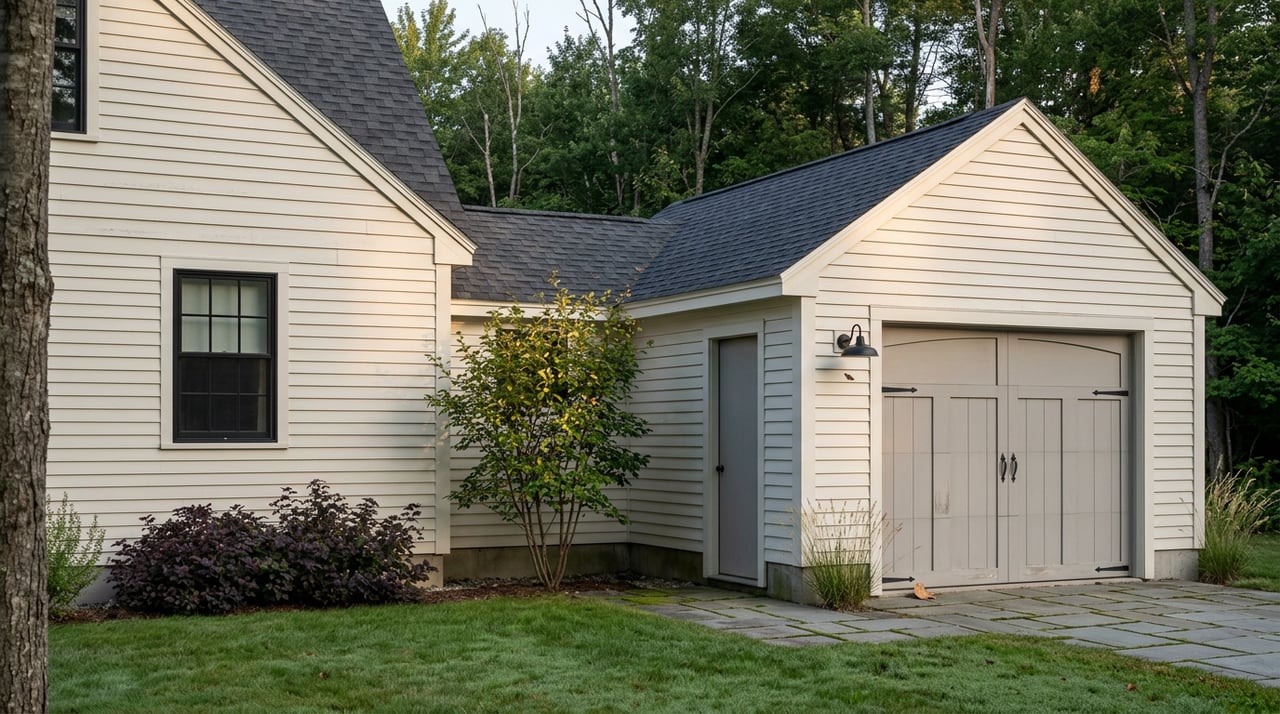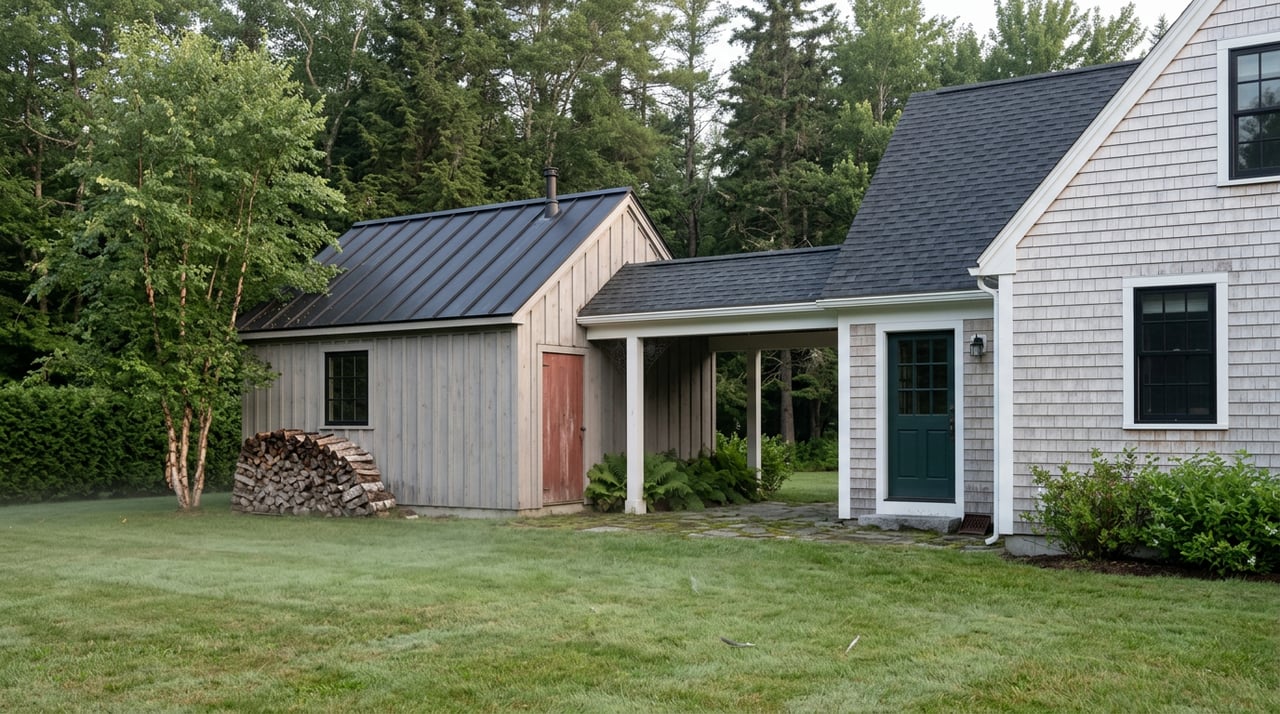
Buying a Wilson Pond camp from out of the area can feel exciting and a little intimidating at the same time. You may be trying to judge shoreline, access, septic, and condition through a screen while also figuring out how Maine’s process works when you are not here in person. The good news is that a remote purchase can work well if you follow the right steps and stay focused on the details that matter most. Let’s walk through how remote buying usually works for a Wilson Pond camp in North Monmouth, Winthrop, and the surrounding area.
Why Wilson Pond Draws Remote Buyers
Wilson Pond is a 582-acre pond in Monmouth, Wayne, and Winthrop Township in Kennebec County. The Maine Department of Inland Fisheries and Wildlife notes an improved state boat launch at the southern end in North Monmouth and identifies the pond as a warmwater fishery with bass, perch, and pickerel.
For many buyers, that makes a Wilson Pond camp appealing for seasonal use, recreation, and quiet time near the water. Monmouth’s comprehensive plan also notes that North Monmouth developed around the outlet to Wilson Pond, which shows how important this waterbody is to the local setting.
Winthrop describes itself as a 38-square-mile Kennebec County town with more than six square miles of lakes and ponds. In practical terms, that means you are not just shopping for a structure. You are also evaluating shoreline location, access, privacy, and how the property fits into a lake-focused part of Central Maine.
How Remote Buying Works in Maine
A remote purchase usually works best when you treat it as a series of checkpoints instead of one big leap. For a Wilson Pond camp, those checkpoints are financing, preview, inspection and due diligence, and verified movement of funds.
If you want a broker to represent you in Maine, state rules require a written brokerage agreement before representation begins. That agreement must set out services, compensation, and an expiration date, which matters when your relationship starts by phone or email before you ever travel to Maine.
Step 1: Get Financing Ready Early
Before you start seriously comparing camp properties, it helps to know your numbers. A preapproval letter is a lender’s tentative commitment up to a certain amount, and while it is not a guaranteed loan offer, sellers often expect to see it before accepting an offer.
This early step can also surface issues before you are emotionally invested in a property. If you are buying from afar, that clarity matters even more because travel, scheduling, and timing can move fast once the right listing appears.
Step 2: Use Virtual Previews the Right Way
Remote tools can save you time, but they work best as a screening tool. Integrity Homes’ listing platform includes virtual-tour support, which can help you narrow your list before making a trip or scheduling a more focused second look.
The key is not to confuse a virtual preview with full due diligence. Photos and video can help you understand layout, basic condition, and setting, but they should lead to deeper inspection, not replace it.
Step 3: Make a Focused In-Person or Detailed Review Plan
Some remote buyers can visit once at the right moment, while others need to rely on organized showings, video walk-throughs, and inspections. Either way, your goal is the same: move past the highlight reel and confirm the facts that affect use, cost, and long-term ownership.
For a waterfront camp, that often means paying close attention to the lot, shoreline, road access, utilities, and systems. A nice view is only part of the decision.
Due Diligence Matters More on Waterfront Camps
A Wilson Pond camp can be very different from a typical in-town home. Waterfront and seasonal properties often involve private water, septic, shared or seasonal roads, and shoreland rules that deserve closer review.
Because Wilson Pond is well above Maine’s 10-acre threshold for a great pond, nearby shoreline parcels are generally subject to the mandatory shoreland zone, which extends 250 feet from the high-water line of great ponds. The Maine Department of Environmental Protection says shoreland zoning is enforced locally, and the local code enforcement officer is the first point of contact for shoreland questions.
Shoreland Zoning Questions to Ask
If you are looking at a camp near the water, ask clear questions early:
- Is the property within the shoreland zone?
- What improvements, expansions, or repairs have been done?
- Were permits required, and were they obtained?
- Are there limits on future changes to the structure, deck, driveway, or shoreline work?
- Which local code enforcement office should confirm current requirements?
For remote buyers, this is one of the easiest places to make assumptions. It is always better to verify the rules directly with the local office in Monmouth or Winthrop before you count on future plans.
Septic and Wastewater Need Extra Attention
Maine’s seller disclosure law requires disclosure of waste disposal information, along with water supply, heating, hazardous materials, known defects, access, flood hazard, and shoreland-zoning issues. The disclosure statement is important, but Maine law is clear that it is not a warranty and does not replace your own inspections.
That point matters even more for camp properties with private systems. The disclosure form asks for system-specific details, and for shoreland properties, added septic disclosure may apply.
If a property with a subsurface wastewater system is transferred within a shoreland area, Maine law generally requires an inspection by a department-certified inspector before purchase. If weather prevents the inspection, it can occur within nine months after transfer, and a malfunctioning system must be repaired or replaced within one year.
A Maine DEP review of the Wilson Pond watershed also called for septic inspections and road best-management practices in Monmouth, Wayne, and Winthrop. That is a good reminder to ask about:
- Septic age
- Pumping records
- Inspection history
- Known repairs or issues
- Drainage or runoff concerns near the camp
Private Roads and Access Can Change the Equation
Many camp properties rely on a private way instead of a public road. If that is the case, Maine’s disclosure law requires the seller to disclose who maintains the access, including any road association if known.
This is a major issue for remote buyers because access affects more than convenience. It can influence seasonal use, maintenance costs, snow removal, and how easily service providers, inspectors, or contractors can reach the property.
Ask who maintains the road, whether costs are shared, and whether there is any written road agreement or lake association involvement. These details can shape the real cost of ownership.
Flood Hazard Should Be Reviewed Carefully
Flood risk is part of the Maine disclosure form as well. Buyers should note whether the property is in a FEMA special flood-hazard area and whether flood events, damage, insurance claims, or disaster aid have occurred.
For a waterfront purchase, this is not a minor checkbox. It is part of understanding both the property’s history and the practical costs you may face after closing.
What to Verify Before You Make an Offer
When you are remote, organization matters. It helps to build a short verification list before you move forward.
Here are the basics worth confirming for a Wilson Pond camp:
- Preapproval status and budget comfort
- Property access and road maintenance details
- Water source and waste disposal details
- Shoreland zoning status
- Permit history or known improvements
- Flood-hazard disclosures
- Inspection plan and timing
- Whether a virtual showing should be followed by an in-person visit or a deeper live review
This kind of checklist keeps emotion from outrunning facts. That is especially important when a waterfront property feels unique or hard to replace.
Earnest Money and Secure Payments
Once you are under contract, how money moves matters. Maine law requires real estate agencies to keep earnest-money deposits and other client funds in a federally insured trust account identified as a real estate trust account.
That gives structure to how deposits are handled, and the broker acts as trustee of the deposit under Maine’s trust-account rules. For remote buyers, it also helps to work with a process that reduces friction while keeping fund handling clear and organized.
At the same time, one of the biggest risks in a remote transaction is wire or email fraud. The FTC warns that wire transfers are risky, and the FBI has flagged business-email-compromise scams in real estate transactions, including fake messages that appear to come from a title company with wiring instructions.
The safest approach is simple:
- Never rely on email alone for wiring instructions
- Verify payment instructions through a known phone number or secure portal
- Confirm any last-minute change by speaking directly with the right party
- Pause if anything feels rushed, unusual, or inconsistent
Closing From a Distance
A remote closing still requires careful review. Before closing, review documents in advance, compare the Loan Estimate and Closing Disclosure, and confirm that the property is acceptable and any agreed repairs are complete.
If you are researching records from afar, the Kennebec County Registry of Deeds offers public-record search and property-alert tools online. For local permit, shoreland, septic, or access questions, the code-enforcement offices in Winthrop and Monmouth are the right places to confirm details.
That local confirmation can make a big difference. A camp purchase is often as much about what you can do with the property as what is already there.
A Smart Remote Buying Strategy
The most successful remote buyers usually do not try to shortcut the process. They use digital tools to narrow options, then slow down for inspections, local verification, and secure fund transfers.
For a Wilson Pond camp, that balanced approach is especially important because you are often evaluating shoreline rules, septic, access, and seasonal use all at once. With the right plan, you can buy from afar with much more confidence and much less guesswork.
If you are thinking about a Wilson Pond camp and want a local team that can help you navigate virtual showings, buyer guidance, and a smoother remote process, connect with Integrity Homes Real Estate Group.
FAQs
How does remote buying work for a Wilson Pond camp in Maine?
- Remote buying usually works best in four stages: financing, virtual preview, inspection and due diligence, and verified movement of funds before closing.
What should you check first on a Wilson Pond waterfront property?
- You should first confirm financing, access, shoreland zoning, septic details, water source, flood-hazard disclosures, and your inspection plan.
Do Wilson Pond camp properties have shoreland zoning rules?
- Shoreline parcels near Wilson Pond are generally subject to Maine’s mandatory shoreland zone because Wilson Pond is a great pond, and local code enforcement is the first place to verify property-specific rules.
Why is septic review so important for a Wilson Pond camp purchase?
- Many camp properties use private wastewater systems, and Maine law generally requires a certified inspection before purchase for transfers of subsurface wastewater systems within a shoreland area, unless weather delays it.
What should you know about private road access near Wilson Pond?
- If access is by a private way, Maine law requires the seller to disclose who maintains it, including any known road association, which can affect seasonal use and ownership costs.
How can you protect your money during a remote Maine closing?
- Verify all payment instructions through a known phone number or secure portal rather than relying on email alone, since wire and email fraud are known risks in real estate transactions.