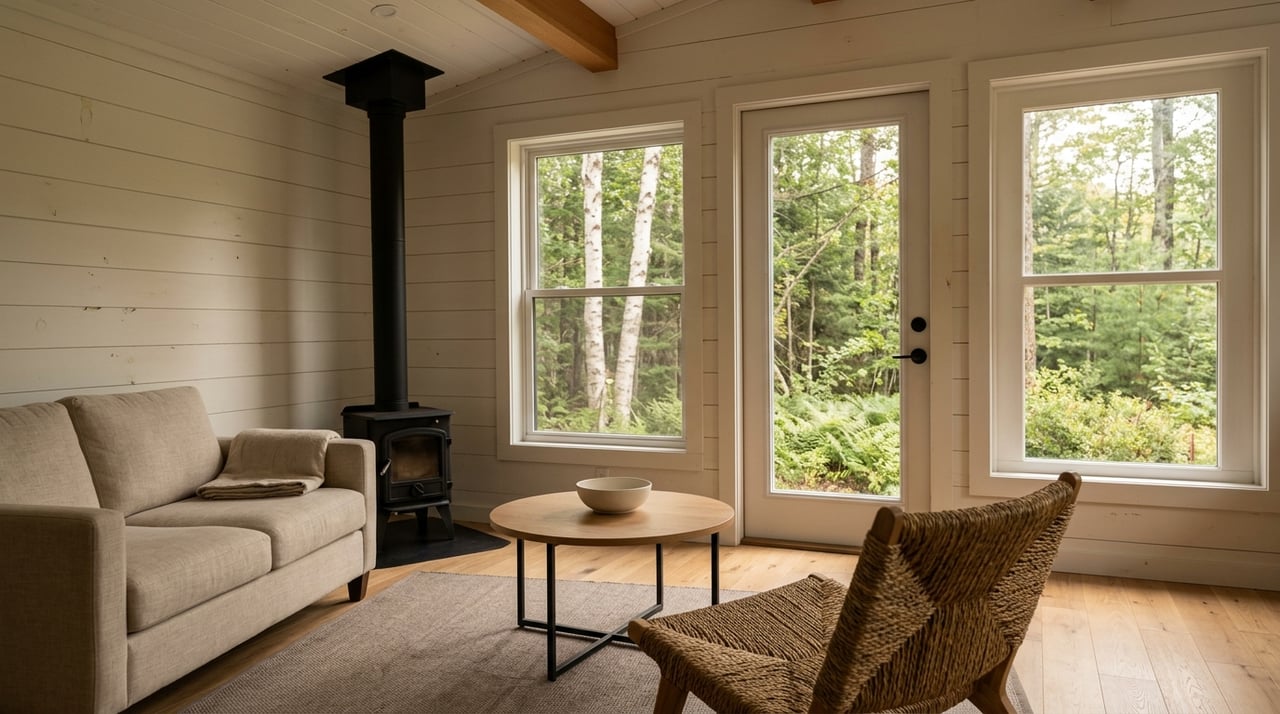
If you have been dreaming about a simple camp life near the water, Winthrop Beach and Maranacook Lake can feel like the perfect place to start. But buying your first camp here is not quite the same as buying a typical house in town. The details that matter most are often financing, year-round use, zoning, and the condition of systems like well water and septic. This guide will help you understand what to look for so you can move forward with more confidence. Let’s dive in.
Why Winthrop Beach draws buyers
Winthrop is a lake-focused community in Kennebec County with more than six square miles of lakes and ponds and 11 waterbodies, according to the town. Maranacook Lake itself is about 1,800 acres and includes a deep south basin, which helps explain why lake access and nearby camp properties are such an important part of the local market.
For many first-time camp buyers, the appeal is about more than the structure itself. You are also buying into a lifestyle shaped by nearby water access, recreation, and town services. The town provides lifeguards at Maranacook beach, and the area also includes public boat-launch access for the lake.
That said, it is important to understand what “near Winthrop Beach” really means. The town’s current beach rules say the beaches are open daily from 6 a.m. to 10 p.m. and are intended for Winthrop residents and their guests. So if a listing highlights proximity to the beach, you should confirm exactly what access and use that means for you.
Start with occupancy type
One of the biggest first steps is deciding how the camp will be classified. Will it be your primary residence, your second home, or an investment property? That answer can affect your loan options, down payment, appraisal, and even whether the property can be financed at all.
For first-time buyers in Maine, MaineHousing’s First Home Loan Program can be a valuable option in the right situation. MaineHousing says the program offers low fixed-rate mortgages, little or no down payment in some cases, and a down-payment and closing-cost assistance option called Advantage. Borrowers generally need a minimum credit score of 640 and should expect the payment to stay around 30 to 33 percent of income.
The key detail is that MaineHousing is focused on owner-occupied homes. A camp used only seasonally may not fit that profile, so you will want to confirm the occupancy type with your lender before you make an offer. That one conversation early on can save you a lot of time and frustration later.
When a camp may count as a second home
Some buyers assume a seasonal camp automatically qualifies as a second home, but it is not always that simple. Conventional second-home lending often depends on whether the property is suitable for year-round occupancy and whether the appraisal supports the property type.
In practical terms, the lender will look closely at whether the camp is winterized, how it is built, and whether similar seasonal properties have sold in the area. If the property has seasonal limitations, financing may still be possible, but the path can look different from a standard home purchase.
Questions to ask before touring
Before you get too attached to a property, ask a few basic questions:
- Is the camp being used seasonally or year-round now?
- Is it winterized and suitable for year-round occupancy?
- What type of financing has worked for similar properties nearby?
- Will you be using it as a primary home, second home, or rental property?
- Are water and sewer services available, or is the property served by a private well and septic system?
These answers can help you narrow your search and avoid homes that do not fit your goals.
Inspect systems with extra care
Older lake camps can be charming, but they often need deeper due diligence than a typical newer home. A quick walk-through is not enough when you are evaluating waterfront or near-water property in this part of Maine.
Maine requires sellers of residential property to disclose important items such as water supply, heating, waste disposal, hazardous materials like lead paint and radon, flood hazard information, any legal proceedings related to shoreland zoning, and other known defects. If those disclosures are delivered after an offer is received, the buyer has a 72-hour right to terminate or withdraw.
That makes the disclosure process especially important for first-time buyers. It is your chance to slow down, ask questions, and make sure the property’s systems and restrictions match your expectations.
Focus on the well
If the camp uses a private well, testing matters. Maine CDC says private wells are not regulated, which means the owner is responsible for testing and treatment.
For buyers, that means you should pay close attention to water quality, well type, and winter reliability. Maine CDC guidance recommends drilled wells over dug or driven-point wells and advises at least 100 feet of separation between a private well and a private septic system. If a camp has an older setup, those details are worth reviewing carefully.
Do not skip septic review
Septic is one of the biggest issues in camp purchases near the water. Maine CDC says that if a property has a subsurface wastewater disposal system in the shoreland zone, a certified inspection is required when ownership transfers.
That inspection is meant to identify the approximate age of the system, whether design records exist, how the components are performing, and whether there are malfunctions or surface discharges that need correction. In plain terms, septic condition can affect both your immediate costs and whether the property can function the way you want it to.
Test for lead and radon
Older camps can also raise health and safety questions. Maine guidance notes that homes built before the mid-1970s may still contain lead-based paint.
For radon, Maine recommends air testing and, if the home uses private water, water-radon and gross-alpha testing as well. This is one more reason to treat an older camp as a system-by-system purchase, not just a scenic one.
Understand shoreland zoning early
Location near Maranacook Lake can add value and enjoyment, but it also brings rules. Maine shoreland zoning generally covers land within 250 feet of the normal high-water line of great ponds and certain other waters, and local ordinances can be more restrictive.
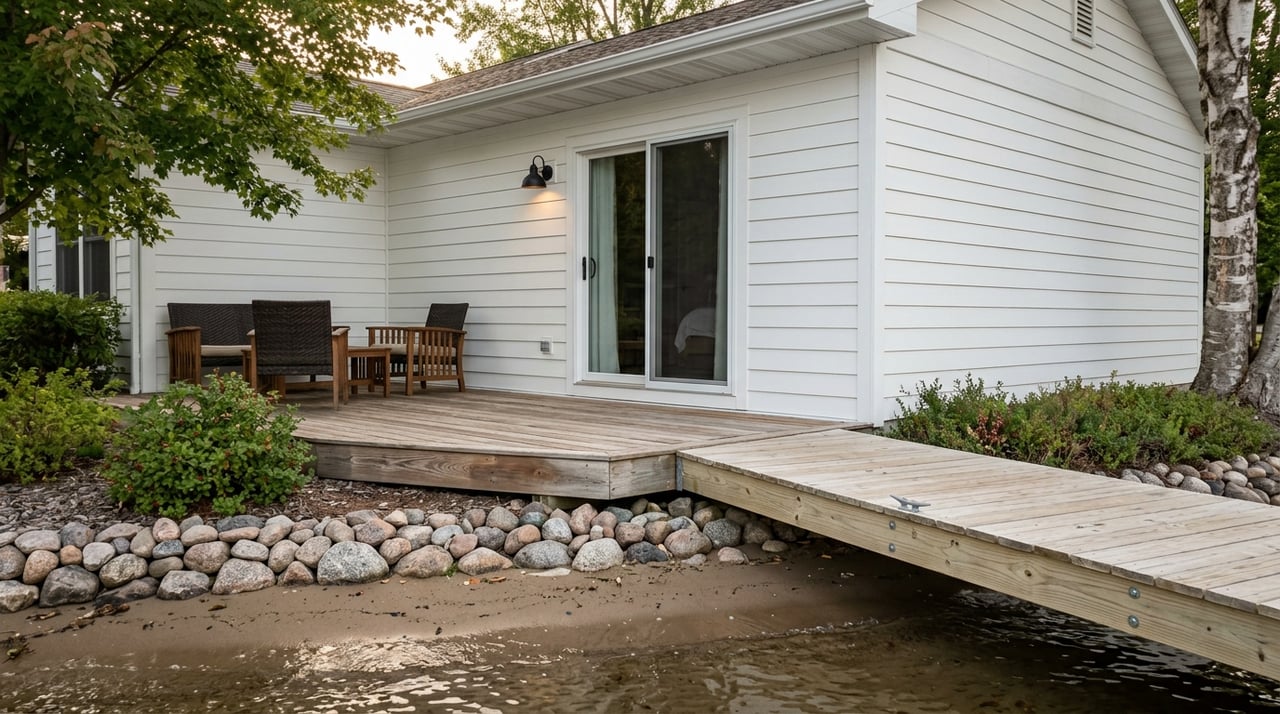
In Winthrop, permits are required before starting new building projects, changing or expanding existing structures, or changing a property use. The town’s ordinance also applies to docks, wharfs, piers, and similar structures. If you are picturing future improvements, you should confirm what is allowed before you buy.
Seasonal-to-year-round conversion is regulated
Many first-time camp buyers dream of starting with a seasonal place and converting it later for full-time living. In Winthrop, that is not something to assume.
The town’s zoning ordinance specifically treats conversion of a seasonal residence to a year-round residence as a regulated use. In some districts, especially shoreland-related districts, that conversion must comply with state law and Maine subsurface wastewater rules. The safest move is to check with the town’s Code Enforcement Office before counting on a future conversion.
Beach rules affect expectations
Buyers are often drawn to listings that mention Winthrop Beach, but access rules still matter. The town says the Maranacook Lake pier is closed to the public, and motorized watercraft are restricted within 200 feet of any public beach.
That does not reduce the area’s appeal, but it does shape how you use the property. Convenience to the beach is valuable, yet it is different from owning private waterfront or having unrestricted public-style access.
Think about day-to-day livability
Your first camp should fit the way you actually plan to use it. If you want a simple summer escape, a seasonal setup may work well. If you hope to spend longer stretches there or move in full-time down the road, you should look more closely at winterization, heating, road access, and utility serviceability.
Winthrop directs residents to confirm water and sewer serviceability through the Winthrop Utilities District. That step can be especially useful if you are comparing a camp that feels rustic with one that may function more like a year-round home.
Here is a simple way to think about it:
| Goal | What to confirm early |
|---|---|
| Summer-only camp use | Seasonal status, well reliability, septic condition, beach and lake access rules |
| Second-home use | Lender rules, year-round suitability, winterization, appraisal support |
| Future full-time living | Zoning, seasonal-conversion rules, heating, utility serviceability, septic compliance |
A smart first-camp buying plan
If you want to buy near Winthrop Beach and Maranacook Lake without costly surprises, keep your process simple and disciplined.
Step 1: Get clear on your use
Decide whether this will be your primary residence, second home, or a property you may rent or hold for future plans. That answer drives nearly every other decision.
Step 2: Talk with a lender early
Ask whether the property type fits your financing options before you fall in love with a listing. For first-time buyers, this is especially important when the property may be seasonal.
Step 3: Review disclosures carefully
Pay attention to water supply, heating, waste disposal, flood information, radon, lead, and any shoreland zoning issues. If something is unclear, ask for clarification before moving forward.
Step 4: Inspect the big-ticket systems
Prioritize private well testing, septic inspection, and any recommended lead or radon testing. On older camps, these items can matter more than cosmetic updates.
Step 5: Confirm zoning and permit needs
If you may add a deck, rebuild a dock, expand the structure, or convert it to year-round use, verify the rules with the town before closing. It is much easier to make a smart purchase than to fix a mistaken assumption later.
Buying your first camp near Maranacook Lake can be exciting, practical, and deeply rewarding when you go in with clear expectations. The right property is not just the one with a great view. It is the one that matches your financing, your plans for use, and the real-world condition of the systems that keep it running. If you want a local team that can help you sort through those details with a clear, people-first approach, Integrity Homes Real Estate Group is here to help.
FAQs
Can a first-time buyer use MaineHousing for a camp near Winthrop Beach?
- Possibly, but MaineHousing is aimed at owner-occupied homes, so a camp used only seasonally may not qualify. You should confirm the occupancy type with a participating lender before making an offer.
Is Winthrop Beach open to everyone buying near Maranacook Lake?
- No. The town says the beaches are intended for Winthrop residents and their guests, so you should not assume unrestricted public access based only on a property being nearby.
What inspection issues matter most for a first camp near Maranacook Lake?
- The main priorities are usually septic condition, private well water testing, lead and radon concerns, flood-related disclosures, and any shoreland zoning issues tied to the property.
Can you convert a seasonal camp in Winthrop into a year-round home?
- Sometimes, but the town treats seasonal-to-year-round conversion as a regulated use. You should confirm zoning and subsurface wastewater requirements before assuming the change will be allowed.
Does being close to Winthrop Beach mean you have private lake access?
- No. Proximity to the beach can improve convenience and enjoyment, but it is not the same as private waterfront ownership or unrestricted access rights.