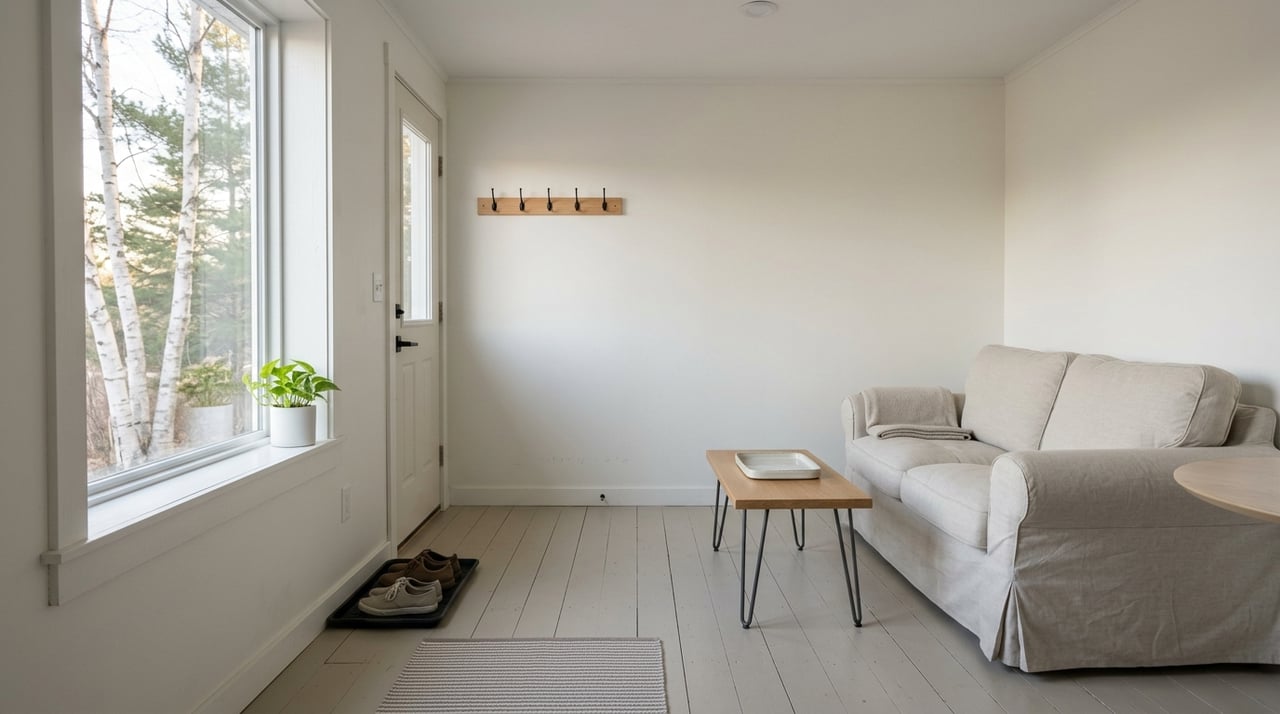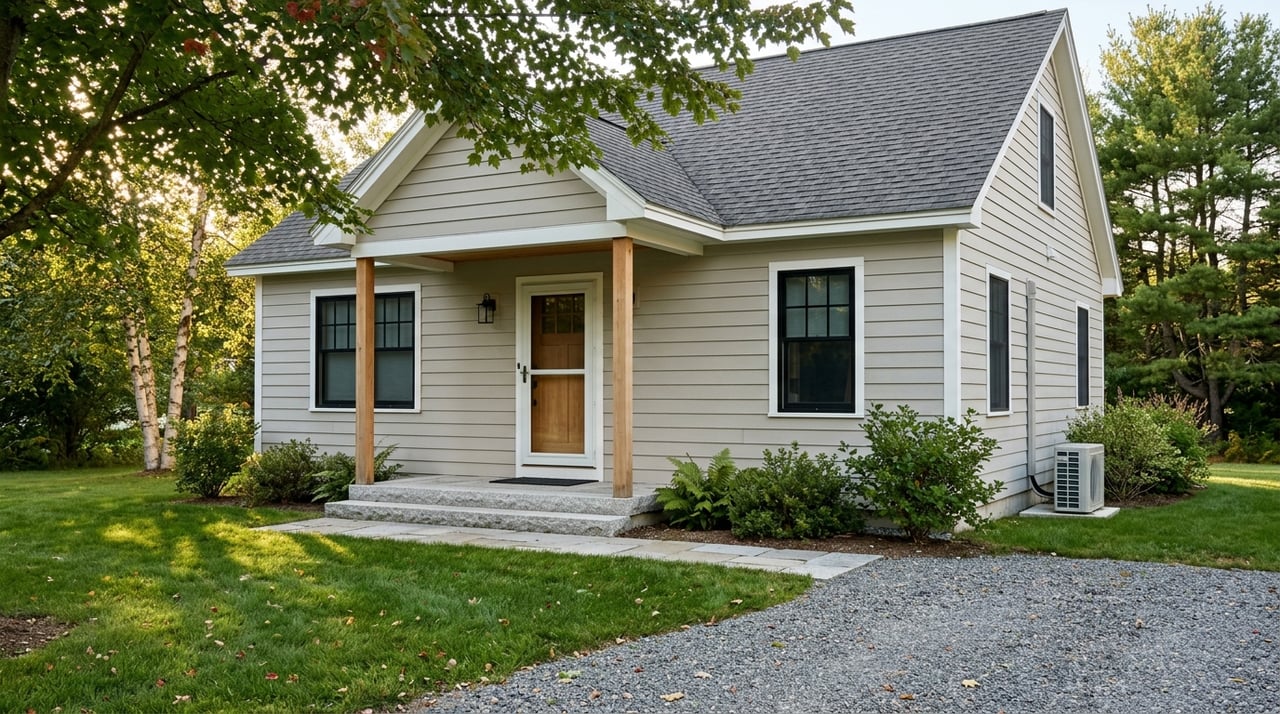
Wondering whether an Androscoggin Lake property should be your summer escape or your full-time home? That choice matters more here than it does in many other waterfront markets. On this lake, the difference between a rustic camp and a year-round home can affect financing, maintenance, permits, and even how you plan future upgrades. If you want to buy with fewer surprises, this guide will help you compare both paths and focus on the checks that matter most. Let’s dive in.
Why the camp vs. home choice matters
Androscoggin Lake sits in both Wayne and Leeds, and the lake is roughly 3,800 to 4,000 acres based on local planning documents. That range matters because it reminds you to treat local details carefully, especially when parcel location and town rules can differ depending on which side of the lake you are considering.
This is also not a typical inland waterfront setting. Local planning documents describe the lake as shallow and connected to a reverse-flow flood system that can push Androscoggin River water back into the lake during high-water periods. For you as a buyer, that makes shoreline stability, drainage planning, and dock placement more important than they might be on another lake.
What “camp” usually means here
On Androscoggin Lake, current listings show a real split between year-round homes and simpler seasonal properties. Some are clearly marketed as year-round residences, while others are smaller waterfront places with limited systems, including listings that note no heat system.
In everyday Maine real estate talk, “camp” often means a more rustic or seasonal setup. But that label alone does not settle the legal or lending question. The actual classification depends more on the property’s systems, access, and occupancy history than on the word used in the listing.
Camp does not automatically mean seasonal
Under Maine law, a listing described as a camp is not automatically a seasonal dwelling. Historic use matters, and occupancy for more than seven months in a calendar year is evidence of year-round residence.
That is an important distinction if you are buying with long-term plans in mind. A property that feels like a camp today may still have a legal history or physical setup that affects whether you can use it year-round or convert it later.
What makes a year-round home different
A year-round home is generally the easier fit if you want full-time occupancy, broader loan options, and a simpler resale path. In practical terms, buyers usually expect dependable heat, water, wastewater handling, electricity, and road access that supports regular use through all seasons.
That does not mean every year-round lake home is low maintenance. Waterfront ownership still comes with extra responsibility. But compared with a rustic camp, a year-round property is usually better aligned with full-time living and more standard financing.
Financing is usually easier for year-round homes
If you plan to finance your purchase, this may be the biggest factor in your decision. Conventional conforming financing is generally easier for properties that are suitable for year-round use.
Fannie Mae states that properties in seasonal or resort areas are acceptable only if they are suitable for year-round use, and it does not purchase mortgages on properties that are not suitable for year-round occupancy or not readily accessible by roads that meet local standards. Freddie Mac also requires second homes to be suitable for year-round occupancy, though it allows a narrower exception when a second home has seasonal limitations and the appraisal supports that with similar comparable sales.
Why rustic camps can be a narrower fit
A truly seasonal camp can still be financeable in some cases, but the fit is narrower. If a property lacks winter access, full heating, or the systems expected for year-round occupancy, your loan options may become more limited.
Government-backed programs are often even more sensitive to occupancy standards. FHA requires a living unit to have safe potable water, sanitary facilities, heating, domestic hot water, electricity, and an adequate sewage-disposal method. That means a rustic waterfront camp may be much harder to place with these loan types than a winterized home.
Shoreland rules can shape your plans
Maine’s shoreland zone generally extends 250 feet horizontally from the normal high-water line of a great pond. The normal high-water line is identified by visible markings, soil changes, and vegetation changes.
Municipalities can also be more restrictive than state minimums. Wayne’s ordinance example includes a 100-foot setback standard for new structures in its shoreland district. Since Androscoggin Lake lies in two towns, you need to confirm which town the property is in and review the ordinance that applies to that parcel.
Why this matters before you buy
If you hope to expand, rebuild, move a structure, or convert seasonal use to year-round use, shoreland rules can affect what is possible. The same is true for drainage work, shoreline stabilization, and other improvements near the water.
This is one reason it helps to think beyond the listing photos. A property that looks perfect for your plans may still have physical or zoning limits that change the math.
Waterfront maintenance is a bigger deal here
Because Androscoggin Lake is shallow and influenced by reverse-flow flooding, shoreline erosion control and runoff management deserve extra attention. Local planning materials and Maine DEP guidance point to the importance of protecting vegetation and managing sediment and drainage in shoreland areas.
For you, that means ownership can involve more active oversight than a non-waterfront lot. Whether you buy a camp or a year-round home, you should expect maintenance questions around soil disturbance, drainage patterns, shoreline wear, and any proposed work near the water.
Camp buyers should be realistic about upkeep
A seasonal camp can absolutely be the right choice if you want simpler living and can handle more owner-managed upkeep. But “simpler” does not always mean easier.
Older camps may come with basic systems, limited insulation, dated wastewater setups, or deferred shoreline maintenance. If your goal is lower purchase price in exchange for hands-on ownership, it helps to budget both time and money for ongoing care.
Septic and well due diligence are essential
On Androscoggin Lake, septic and water questions should be near the top of your list. Maine law generally requires a subsurface wastewater system in a shoreland area to be inspected by a certified inspector before purchase, with a weather-related nine-month exception if inspection is not possible before transfer.
Maine also has specific rules for changing seasonal use. If you want to convert a seasonal dwelling in the shoreland zone to a year-round or principal dwelling, a local plumbing inspector conversion permit is required. That permit cannot be approved if a holding tank is the wastewater solution.
Private well testing matters too
Private wells in Maine are not regulated by the state in the same way public systems are, so the owner is responsible for testing and treatment. Maine CDC recommends annual testing for coliform bacteria, E. coli, nitrates, and nitrites, along with broader testing every three to five years, including when buying a new home.
That makes well testing a practical part of buying, not an optional extra. On a waterfront property, septic condition and water quality can tell you a lot about both present use and future costs.
Seller disclosures can help you spot risk
Maine sellers must disclose important property details, including the water supply, heating system, waste disposal system, flood-hazard status, and any known shoreland-zoning proceedings. For an Androscoggin Lake purchase, those disclosures can help you identify whether a property is better suited for seasonal enjoyment or year-round living.
Disclosures are especially useful when you are comparing two similar-looking homes with very different systems. One may be ready for four-season use, while the other may need upgrades, permits, or more maintenance than you first expected.
A simple way to choose
If you are deciding between a camp and a year-round home on Androscoggin Lake, start with how you plan to use the property.
A camp may be the better fit if you:
- Want seasonal use more than full-time living
- Are comfortable with more hands-on maintenance
- May be paying cash or have flexible financing options
- Like the idea of a simpler waterfront retreat
A year-round home may be the better fit if you:
- Need full-time occupancy or frequent four-season use
- Want broader, more conventional financing options
- Prefer more standard systems for heat, water, and wastewater
- Care about easier future resale to a wider buyer pool
The smartest first checks before making an offer
Before you move forward on any Androscoggin Lake property, focus on the issues that most often change the outcome.
Check these items early
- Septic condition and inspection status
- Well type, testing history, and water quality
- Heat source and winter livability
- Year-round road access
- Shoreland zoning location and setbacks
- Signs of drainage, erosion, or shoreline wear
- Seller disclosures related to flood hazard, utilities, and waste systems
These checks can help you tell whether a property is truly ready for your intended use. They can also help you avoid falling in love with a lakefront address that comes with more limitations than expected.
Buying on Androscoggin Lake can be incredibly rewarding, but the right property depends on how you want to live, not just how the listing is labeled. If you want a seasonal getaway and do not mind more owner-managed upkeep, a camp may be a great match. If you need easier financing, four-season functionality, and a smoother long-term path, a year-round home is usually the stronger choice. When you are ready to compare lake properties with a clear plan, Integrity Homes Real Estate Group can help you sort through the details with practical, local guidance.
FAQs
What does “camp” mean for an Androscoggin Lake property?
- On Androscoggin Lake, “camp” usually describes a simpler or more seasonal property, but the legal and financing classification depends on systems, access, and occupancy history, not just the listing label.
Can you live year-round in a camp on Androscoggin Lake?
- Possibly, but Maine law looks at historic use, and converting a seasonal dwelling in the shoreland zone to year-round or principal use requires a local plumbing inspector conversion permit and wastewater compliance.
Are year-round homes on Androscoggin Lake easier to finance?
- Yes, in most cases. Properties suitable for year-round occupancy generally fit more easily with conventional financing, while rustic seasonal camps may have fewer loan options.
What should you inspect before buying waterfront property on Androscoggin Lake?
- Start with septic, well water, heating, access, shoreland setbacks, drainage, erosion, and the seller’s required disclosures about water, waste systems, flood hazard, and shoreland issues.
Do shoreland zoning rules affect Androscoggin Lake buyers?
- Yes. Maine’s shoreland zone generally extends 250 feet from the normal high-water line of a great pond, and local town rules can be more restrictive, so you need to verify the exact rules for the Wayne or Leeds side of the lake.
Why is maintenance a bigger issue on Androscoggin Lake?
- Local planning documents describe the lake as shallow and connected to a reverse-flow flood system, which can make shoreline stability, erosion control, drainage management, and dock planning more important for owners.