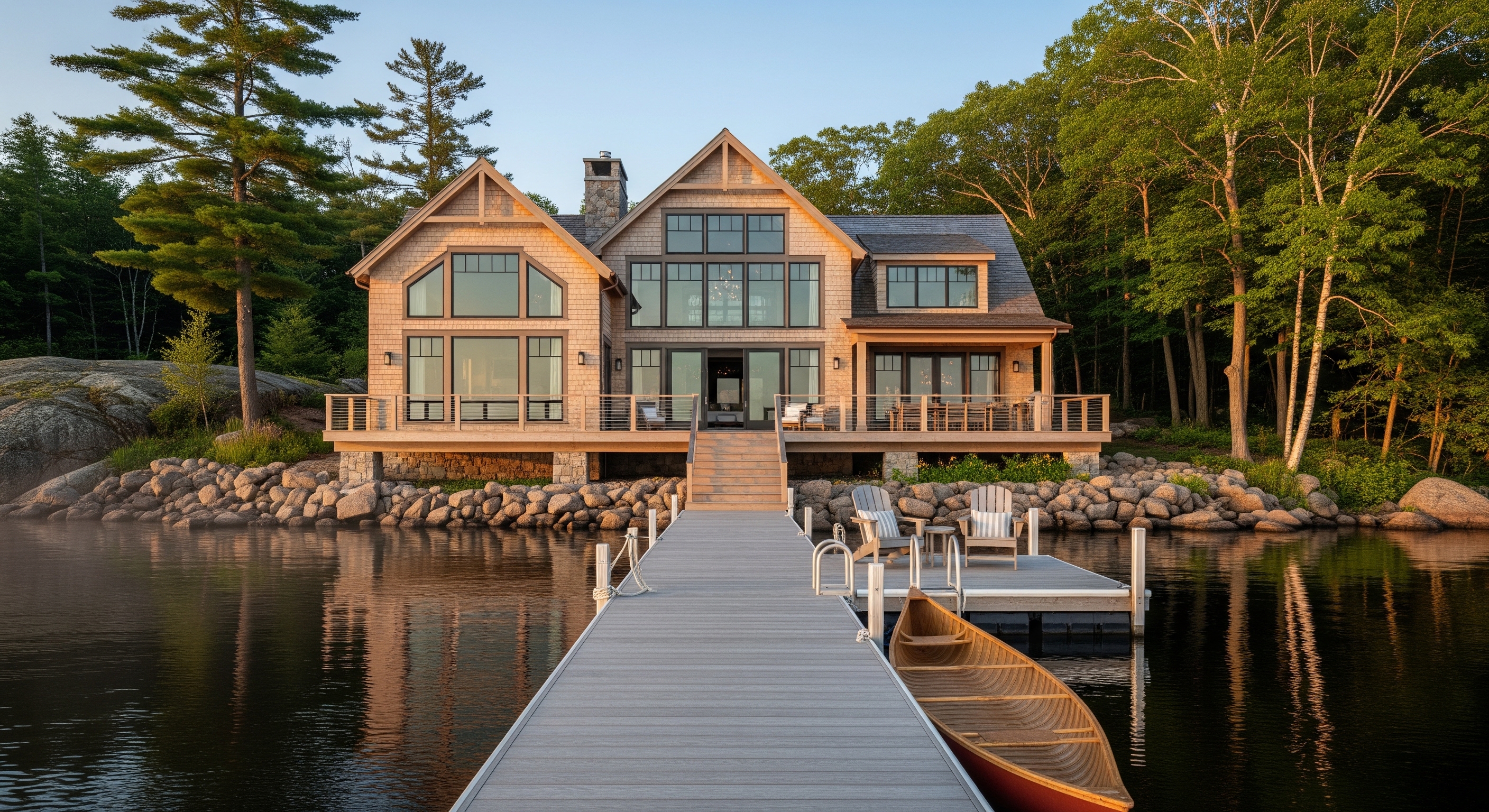
What if your morning started with calm water, soft light on the trees, and the sound of paddles dipping into the lake? If you’re considering life on Lake Auburn, you’re not alone. You want the views and recreation, but you also want to understand rules, utilities, winter logistics, and what day-to-day living really feels like. This guide walks you through seasonal rhythms, practical tradeoffs, and what to verify before you buy or sell so you can move forward with confidence. Let’s dive in.
Life on Lake Auburn, season by season
Summer routines
Summer by the shore is about easy access to the water. You’ll see neighbors out early for quiet paddles, morning dog walks, and a bit of birdwatching. Afternoons often mean family swims, time on the dock, and relaxed cookouts. Expect more activity on weekends as friends and guests visit, and plan ahead for parking and considerate noise levels.
Fall moments
Autumn brings crisp air and bright foliage that makes everyday views feel special. You’ll likely spend evenings on the deck or screened porch, soaking in sunsets as the lake quiets down. It’s also a key time to complete maintenance: clean gutters, check shoreline stabilization, and prep docks for winter removal or reinforcement.
Winter on the shore
Winter living is peaceful and practical. You’ll manage snow removal, protect pipes, and keep paths clear for safe access. When conditions allow, residents enjoy nearby snowshoeing and cross-country skiing, and some take advantage of ice fishing where permitted and safe. Ice conditions can vary by season, so confirm safety and local guidance before heading out.
Spring thaw and prep
Spring means thaw, higher water, and cleanup. Ice-out dates can shift from year to year, so plan flexible timelines for reinstalling docks and starting boat season. This is the time to inspect shorelines for erosion, schedule septic maintenance if needed, and review any watershed-related projects you plan for the summer.
Recreation and lake use
Boating and paddling
You’ll enjoy kayaking, canoeing, and paddleboarding on calm mornings and evenings. Motor boating may be allowed in some areas, but rules on speed, wakes, and motor types often apply on lakes that protect drinking water. Before you buy a boat or expand a dock, verify current regulations with local authorities and the lake’s stewardship group.
Fishing basics
Many Maine lakes support cold-water fisheries, and residents fish for sport throughout the year. If fishing is part of your routine, check the latest seasons, species limits, and gear rules. State wildlife agencies set regulations, so confirm details before you plan outings.
Swimming and water quality
On warm days you may swim from your shoreline or dock. Because Lake Auburn helps supply drinking water to the area, you should monitor current advisories. In warmer months, local agencies watch for nutrient buildup or harmful algal blooms. Always check the latest guidance before planning big swim days or inviting guests to the water.
Daily logistics and services
Commute and errands
You’ll rely on Auburn and Lewiston for grocery runs, schools, medical care, and most municipal services. Many amenities are a short drive, though access and travel times depend on your specific shore location. If commute time matters, use mapping tools to test routes during typical traffic.
Utilities and internet
Utility availability can vary along the lake. Some homes connect to municipal water or sewer, while others use private wells and septic systems. Internet and cell coverage can also vary by carrier and shore position. Confirm service providers and actual speeds with sellers or neighbors before you buy.
Winter access planning
Plowing and sanding on public roads is typically handled by the municipality, while private driveways and shared camp roads are owner responsibilities. Winter parking for guests can be limited, so plan for overflow. If you expect regular deliveries, verify that trucks can safely access your driveway after storms.
Property care and maintenance
Shoreline and erosion
Waterfront living means watching your bank stability and preventing runoff. Look for signs of past erosion, shifting stones, or bare slopes. Shore protection may require permits, and best practices often include vegetated buffers rather than aggressive hardening. If you need improvements, consult local rules before starting work.
Septic, wells, and water or sewer
Ask for septic pumping history, system age, and capacity. If a property relies on a private well, request water quality test results and well details. If municipal services are available, confirm connection status and any associated fees. Proper system care protects your home and the lake.
Docks and moorings
Docks are central to summer life, but they also come with rules. Confirm whether the existing dock is permitted, whether those rights transfer, and if new construction is allowed. If your property lacks a dock, investigate community or association options and learn where public launches are located.
Rules, permits, and stewardship
Shoreland zoning checkpoints
Lake Auburn’s role in regional water supply means enhanced stewardship. Expect rules around setbacks, tree and vegetation clearing, and the amount of impervious surface you can add. Before you plan renovations, check local shoreland zoning ordinances and any watershed-specific protections.
Boat and launch rules
Some lakes set limits on motor types, horsepower, speed, and wake zones to protect water quality and shoreline. Verify current standards for Lake Auburn before you buy equipment or invite guests with larger craft. If your plans include ski boats or personal watercraft, confirm whether they are allowed.
Community involvement
Lakeside communities are often collaborative. Neighbors may share information about maintenance vendors, plowing, and dock installers. Many areas have lake groups that organize cleanups, monitor water quality, and communicate rule updates. Staying involved keeps you informed and helps protect the lake you enjoy.
Buying or selling tips at Lake Auburn
Buyers: due diligence checklist
- Verify shoreland zoning setbacks, vegetation clearing limits, and any watershed protections that apply to your parcel.
- Confirm dock permits, transferability of rights, and whether expansions or new docks are allowed.
- Check septic age and capacity, pumping records, and well water testing or municipal connection status.
- Review utility providers for internet and cell coverage, plus actual speeds at the address.
- Assess shoreline stability, evidence of erosion, and any need for permitted stabilization.
- Confirm winter access, plowing responsibilities, and where guests can park during peak snow periods.
- Ask about past flood or ice-jam events and review relevant hazard maps.
Sellers: prep to maximize value
- Service septic and gather maintenance records, well tests, and any municipal water or sewer paperwork.
- Document dock permits, shoreline work approvals, and any association rules that affect the property.
- Refresh outdoor living areas: clean the dock, touch up decks, and stage the porch or patio to showcase views.
- Provide buyers with a utilities overview, including internet providers and typical speeds.
- If winter is near, clearly mark driveway edges and ensure safe, well-lit access for showings.
Insurance and risk review
Lakeside homes can have different insurance profiles due to wind, water, and ice exposure. Some properties may benefit from flood insurance depending on local topography and lender requirements. Review FEMA flood maps, consult your insurer, and factor coverage into your budget.
Market factors to weigh
Waterfront parcels often carry a value premium. Marketability depends on access, utilities, shoreline condition, and what you can legally expand or rent. Consider long-term cost of ownership: dock care, septic servicing, shoreline stabilization, winterizing, and insurance.
Lifestyle tradeoffs to consider
Waterfront living delivers views, privacy, and time on the water. In return, you’ll manage more maintenance, follow stewardship rules, and navigate seasonal logistics. If you prefer quiet winters and active summers, a seasonal rhythm can be ideal. If you want year-round convenience, confirm your road access, utility setup, and internet coverage early in your search.
Your next steps
- Start with clarity: list your must-haves for dock access, utilities, and commute time.
- Gather facts: request permits, utility details, septic records, and shoreline information for any property you tour.
- Verify use: confirm boating rules, dock allowances, and short-term rental policies that may affect your plans.
- Plan the budget: include insurance, winter services, and routine shoreline care.
If you’re ready to explore Lake Auburn homes or prep your property for market, our local team can help you move quickly and confidently. With relationship-first guidance, staging expertise, and digital tools that streamline offers and closings, you can focus on the lifestyle while we handle the details. Connect with Integrity Homes Real Estate Group to Book a Free Home Consultation.
FAQs
Lake Auburn waterfront rules: What should I verify before buying?
- Confirm shoreland zoning setbacks, vegetation clearing limits, dock permissions, and any watershed protections that affect building, landscaping, and lake access.
Lake Auburn dock permits: Do I need one for new or expanded docks?
- Many lakes require permits for new docks or expansions; verify with local planning and watershed authorities, and confirm whether existing dock rights transfer with the property.
Lake Auburn boating: Are there motor or speed restrictions?
- Lakes that support drinking water often set rules on motors, speed, and wakes; check current Lake Auburn standards before purchasing equipment or inviting guests with larger craft.
Lake Auburn swimming and safety: Is the lake safe for kids?
- Safety varies by season and location; review current water quality or algal bloom advisories and follow municipal guidance related to the lake’s role as a drinking water source.
Utilities on Lake Auburn: Will I have fast internet and reliable cell service?
- Coverage varies by parcel and carrier; confirm providers and tested speeds at the specific address, and consider fixed wireless or satellite options if needed.
Lake Auburn flood risk: Will my lender require flood insurance?
- Requirements depend on FEMA flood zone designation and the property’s topography; check maps and consult your insurer to understand risk and costs.
Winter access near Lake Auburn: Who handles plowing?
- Municipalities typically plow public roads, while owners or associations handle private driveways and shared camp roads; verify responsibilities and costs before you buy.