You want the lake life to feel easy: coffee on the dock, a quick paddle after work, and a smooth path from search to keys. On Annabessacook Lake, that dream comes with a few smart choices about location, septic, shoreland rules, and timing. This guide breaks down how the Winthrop and Monmouth sides differ, what types of homes you’ll find, what to expect with pricing and inventory, and how Annabessacook compares to nearby lakes. Let’s dive in.
Annabessacook at a glance
Annabessacook Lake spans roughly 1,400 to 1,420 acres and reaches about 49 feet at its deepest points. It sits in Kennebec County and straddles Winthrop and Monmouth within the Cobbossee watershed. You can read a concise local overview on the Town of Winthrop’s lakes page, including stewardship and navigational notes, in the community’s lakes and watershed information.
The lake has a documented invasive plant history. Variable‑leaf water milfoil was identified in 2014, and management has included seasonal work zones and surface‑use restrictions to support removal efforts. You can learn more background from this local reporting on Annabessacook’s milfoil management. When control work is active, expect buoyed areas and occasional timing impacts for boating or swimming.
Public boat access exists, and event listings have historically referenced public launch points. Because restrictions can change during control projects, confirm the current status of public ramps and any posted rules. For broader boating and water‑use guidance, consult the state’s boating information and lake list.
What you’ll find around the shoreline
Property types and frontage
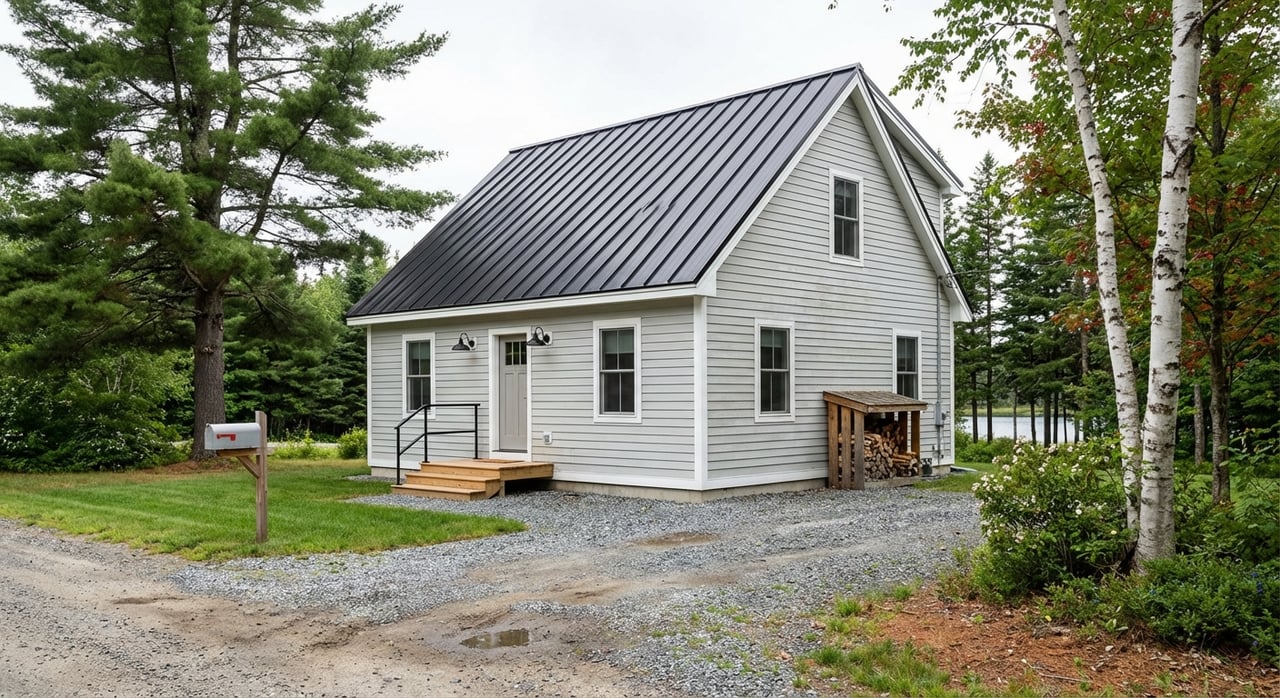
You’ll see a mix of classic seasonal camps, renovated or purpose‑built year‑round homes, and occasional larger parcels or estates with a deeded right‑of‑way to the water. Inventory for true waterfront can be tight, so many buyers also consider homes with shared or deeded access beaches. Frontage on individual properties often ranges from about 100 to 250 feet, with lots from under an acre to several acres.
In recent public snapshots, waterfront cottages and year‑round homes have clustered in the mid‑ to upper‑hundreds of thousands, with larger acreage holdings and high‑finish properties approaching or topping the million mark. Deeded‑access homes often price below direct frontage. Exact value always comes back to frontage, setting, house size, and condition.
Utilities, septic, and year‑round use
Most shoreline homes use private wells and individual subsurface wastewater systems. Maine updated septic rules in 2023, and design flows for short‑term rentals and conversions can differ from standard assumptions. Build septic due diligence into your plan by reviewing HHE‑200 records and bringing in a licensed site evaluator early. Start with the state’s recent septic rule update bulletin and the DHHS page on hydrology and wastewater resources.
Shallow or ledgy soils are common around Central Maine lakes, which can mean engineered systems, limited bedroom counts, or tighter expansion options. If you intend to convert a camp to year‑round use, confirm what is feasible on your exact lot before you fall in love with a floor plan.
Shoreland zoning and setbacks
Shoreland zoning is set by each town using state minimums, and local ordinances can be stricter than state guidance. Confirm your parcel’s shoreland sub‑zone, required setbacks, lot coverage limits, and any nonconformity history. Start with the state’s overview of Shoreland Zoning standards and then pull the local maps and ordinance text from town offices. Monmouth’s planning portal is a good example of where to find zoning and code resources.
Docks, moorings, and boating rules
Dock permits, shared‑access rules, and temporary no‑entry zones can vary. When invasive‑plant work is underway, expect buoyed areas and posted guidance. Before closing, verify whether an existing dock is permitted or grandfathered and review any association rules that apply. For statewide references and updates, check Maine’s boating information and lake list.
Pricing, inventory, and timing
What recent activity suggests
Annabessacook supports a broad range of prices, roughly from the mid‑$300s into the $1 million range in publicly visible examples. Many true waterfront homes cluster in the mid‑$400k to $600k band, with larger acreage or high‑finish homes above that. Inventory for prime waterfront lots is limited, so well‑priced listings can draw fast attention.
At the town level, Winthrop has typically posted higher median listing prices than Monmouth. Days on market and sale‑to‑list ratios vary by season and by how a given property is positioned. Treat lakefront as its own micro‑market and ask for a targeted 12 to 24‑month comp set on Annabessacook specifically.
When to shop or list
Lake buyers often aim for late winter into spring so they can be in by summer. Listing activity and buyer traffic tend to peak from April through June. That can mean more competition for buyers and stronger exposure for sellers. Off‑season can reduce competition, but it also means leaner inventory. For a national perspective on seasonality, see this overview of the best time to sell a house.
Offer strategy in today’s environment
In spring, a well‑priced waterfront can still attract multiple offers. Later in the season, you may see more room for concessions, especially if a listing has sat past July. Always review days‑on‑market history, confirm lake‑specific comps, and tailor your contingency mix to septic, shoreland, and access findings.
How Annabessacook compares to nearby lakes
Annabessacook is a mid‑sized, all‑sports Central Maine lake with substantial shoreline and good recreation. It often offers a value edge compared with premium stretches on Maranacook or Cobbosseecontee, while still supporting mid‑ to upper‑tier prices on strong sites. The Town of Winthrop’s lakes and watershed page is a helpful context resource for the local lake network.
If you want very large private frontage or long open views, you may pay a premium on certain nearby lakes. If you want balance between price, access, and proximity to Winthrop and Augusta, Annabessacook is worth a close look.
Buyer and seller checklist
Use this quick list to streamline your due diligence.
- Shoreland zoning: Pull the current shoreland zoning map and ordinance for your parcel and confirm setbacks, coverage limits, and any nonconforming status. Start with the state’s Shoreland Zoning page, then request town documents.
- Septic: Collect HHE‑200 records and any past site evaluations. If you plan to add bedrooms, convert to year‑round, or operate a short‑term rental, review the state’s 2023 septic rule update and consult DHHS hydrology and wastewater resources.
- Invasive‑species history: Ask for treatment logs, association notices, and any posted restrictions. The 2014 milfoil finding and later control work are well documented in local coverage. Consider timing if seasonal work zones could affect showing or closing plans.
- Access and rights: Verify deeded rights‑of‑way, shared beaches, and dock usage rules. Confirm winter road maintenance and private road agreements.
- Insurance and risk: Pull FEMA flood maps and get early quotes for waterfront coverage, including wind, ice, and water backup.
- Community contacts: Reach out to the Annabessacook Lake Improvement Association for meeting notes and updates. A directory of associations is available at Maine Lakes Associations.
For sellers: prep to win the spring market
- Time your launch: Listings in April through June often earn the strongest exposure and buyer competition. Off‑season can still work with the right price and prep. A quick national refresher is here on the best time to sell.
- Build a clean disclosure file: Collect septic designs and HHE‑200s, any shoreland or building permits, association minutes, and invasive‑species documentation. Buyers move faster when they trust your file.
- Maximize first impressions: Light repairs, simple staging, and crisp photography help any camp or lake home shine. Highlight usable frontage, dock setup, and year‑round systems.
Your next steps
If Annabessacook is on your list, a focused plan will save you time and money. Our team can help you source a tight lakefront comp set, line up septic and shoreland checks, and tailor a listing or offer strategy to the season. We pair hands‑on local service with practical tools like virtual showings and EMD Pay, plus staging guidance and rental insight if you are weighing STR potential.
Have questions or want a quick game plan for your lake search or sale? Reach out to Integrity Homes Real Estate Group for a friendly consult.
FAQs
What should I know about Annabessacook’s invasive plant history and current rules?
- Annabessacook has an invasive milfoil history, and control work can create buoyed areas or temporary surface‑use restrictions. Expect seasonal changes and confirm current guidance before you plan boating or showings.
How do shoreland zoning rules affect building near Annabessacook Lake?
- Towns apply state shoreland standards and may add stricter limits. Setbacks, lot coverage, and vegetation rules can influence additions or rebuilds, so pull your parcel’s zone and review the state’s guidance before designing.
What should I check about septic if I want year‑round use or a short‑term rental?
- Ask for HHE‑200 records and a site evaluator’s review. Maine’s 2023 updates clarified design flows for certain uses, so confirm capacity and upgrade needs early to avoid surprises.
When is the best time to list a lake home on Annabessacook?
- Spring tends to deliver peak buyer activity and stronger exposure, while late summer and fall can bring less competition. Your pricing and prep should match the season’s dynamics.
How does Annabessacook pricing compare with nearby lakes like Maranacook or Cobbosseecontee?
- Annabessacook often offers a value edge compared with some premium stretches on those lakes, yet it still supports mid‑ to upper‑tier prices depending on frontage and site quality. Exact values depend on the specific property.